缘起
我的博客文章主要用 Typst 写,再交给 Astro 生成静态网页。 这套方案用起来一直比较顺手:写数学文章时可以直接用 Typst 的公式和模板系统,发布时又能得到普通网页。 唯一比较麻烦的地方是 HTML 里的数学公式。
之前博客里的公式基本走 SVG。 Typst 负责把公式排好,然后导出一段内嵌 SVG,网页再把这段 SVG 放回正文中。 这个方案的观感其实一直可以,尤其是很多复杂公式,SVG 版本和 PDF 版本差距不大。 但 SVG 终究是一张图。 浏览器看到的是图形路径,读屏器、复制、搜索、语义结构都要靠额外补丁处理。
最近 Typst 主分支合并了 MathML Core output for HTML export。 不过我一开始并没有立刻想到可以把它接到自己的博客里。 后来看到 Reddit 上 一篇把原生 Typst-to-MathML 用到博客里的文章,才意识到这条路已经可以实际尝试。 看完之后我决定把当前博客的公式渲染从 SVG 切到 MathML。 这个迁移花了几个小时,中间主要是和 Codex 一起读当前模板、改 astro-typstastro-typst 补丁、修 CSS,然后用实际文章反复看效果。
之前的 SVG 方案
SVG 方案最早是为了解决一个问题:Typst 的 HTML target 还不稳定,但我又希望博客里的数学公式看起来接近 Typst/PDF 输出。 当时把公式导成 SVG 基本是顺手的做法。 浏览器对 SVG 的支持已经过了很多年,只要 Typst 导出的图形没问题,Chrome、Safari、Firefox 一般不会出现太奇怪的差异。
行内公式会麻烦一些。 公式虽然看起来像一个小图片,但它其实在句子里占一个字符位置。 如果直接把 SVG 底边和文字底边对齐, 这种带分式的公式会显得往下掉。 如果粗暴缩小,又会让公式字号和正文不一致。
所以之前我写过一套 baseline 对齐逻辑。 做法是在公式 SVG 里塞一个不可见的基线标记,然后在 astro-typstastro-typst 输出阶段解析 SVG 的 heightheight、viewBoxviewBox 和标记位置,最后把结果写回 vertical-alignvertical-align。 代码大概就是这种感觉:
const INLINE_MATH_BASELINE_STROKE = "#ff00ff";
function getInlineMathBaselineShift(fragment: string) {
const marker = new RegExp(
`<svg\\b([^>]*)>[\\s\\S]*?<g transform="translate\\(([-+\\d.]+) ([-+\\d.]+)\\)">\\s*<path\\b(?=[^>]*stroke="${INLINE_MATH_BASELINE_STROKE}")`,
// 省略后面的 height/viewBox 换算
const INLINE_MATH_BASELINE_STROKE = "#ff00ff";
function getInlineMathBaselineShift(fragment: string) {
const marker = new RegExp(
`<svg\\b([^>]*)>[\\s\\S]*?<g transform="translate\\(([-+\\d.]+) ([-+\\d.]+)\\)">\\s*<path\\b(?=[^>]*stroke="${INLINE_MATH_BASELINE_STROKE}")`,
// 省略后面的 height/viewBox 换算
const INLINE_MATH_BASELINE_STROKE = "#ff00ff";
function getInlineMathBaselineShift(fragment: string) {
const marker = new RegExp(
`<svg\\b([^>]*)>[\\s\\S]*?<g transform="translate\\(([-+\\d.]+) ([-+\\d.]+)\\)">\\s*<path\\b(?=[^>]*stroke="${INLINE_MATH_BASELINE_STROKE}")`,
// 省略后面的 height/viewBox 换算
const INLINE_MATH_BASELINE_STROKE = "#ff00ff";
function getInlineMathBaselineShift(fragment: string) {
const marker = new RegExp(
`<svg\\b([^>]*)>[\\s\\S]*?<g transform="translate\\(([-+\\d.]+) ([-+\\d.]+)\\)">\\s*<path\\b(?=[^>]*stroke="${INLINE_MATH_BASELINE_STROKE}")`,
// 省略后面的 height/viewBox 换算
这个补丁解决了行内公式的位置问题。 但它也让公式渲染变成了两层:视觉层是 SVG,辅助层再补一份 MathML。 这就会带来维护成本。 一旦 Typst 的输出结构变了,或者某个包的 show rule 影响了公式结构,调试时就要同时看 SVG、辅助 MathML、CSS wrapper 和 Astro 输出。
尝试 MathML
我以前也试过 mathyml。 它的思路是在 Typst 层通过 show rule 把公式转换成 MathML。 这个项目我试过一阵子,但在我的博客里效果一般,主要是复杂公式和第三方 Typst 包配合时容易出现边角问题。 这个方向算是帮我确认了一件事:MathML 这条路是可以走的,但如果转换逻辑还在模板层,遇到复杂公式时还是会有点不踏实。
这次情况变了。 Typst 自己开始在 HTML export 里输出 MathML Core,所以转换发生在编译器的数学输出路径中。 博客模板不需要自己猜 Typst 数学结构,也不用再维护一套第三方转换规则。
第一步是让 astro-typstastro-typst 用上包含 MathML 输出的 Typst 编译器包。 当前仓库里通过 pnpm-workspace.yamlpnpm-workspace.yaml 做了 override:
'@myriaddreamin/typst-ts-node-compiler': npm:@wybxc/typst-ts-node-compiler@0.7.1
'@myriaddreamin/typst-ts-renderer': npm:@wybxc/typst-ts-renderer@0.7.1
'@myriaddreamin/typst.ts': npm:@wybxc/typst.ts@0.7.1
astro-typst@0.12.3: patches/astro-typst@0.12.3.patch
'@myriaddreamin/typst-ts-node-compiler': npm:@wybxc/typst-ts-node-compiler@0.7.1
'@myriaddreamin/typst-ts-renderer': npm:@wybxc/typst-ts-renderer@0.7.1
'@myriaddreamin/typst.ts': npm:@wybxc/typst.ts@0.7.1
astro-typst@0.12.3: patches/astro-typst@0.12.3.patch
'@myriaddreamin/typst-ts-node-compiler': npm:@wybxc/typst-ts-node-compiler@0.7.1
'@myriaddreamin/typst-ts-renderer': npm:@wybxc/typst-ts-renderer@0.7.1
'@myriaddreamin/typst.ts': npm:@wybxc/typst.ts@0.7.1
astro-typst@0.12.3: patches/astro-typst@0.12.3.patch
'@myriaddreamin/typst-ts-node-compiler': npm:@wybxc/typst-ts-node-compiler@0.7.1
'@myriaddreamin/typst-ts-renderer': npm:@wybxc/typst-ts-renderer@0.7.1
'@myriaddreamin/typst.ts': npm:@wybxc/typst.ts@0.7.1
astro-typst@0.12.3: patches/astro-typst@0.12.3.patch
第二步是改 Typst 模板。 在 typ/templates/shared.typtyp/templates/shared.typ 里,HTML target 下的公式直接交给 Typst HTML export:
#let equation-rules(body) = {
show math.equation: set text(font: math-font)
show math.equation.where(block: false): it => context if sys-is-html-target {
set text(size: math-size, font: math-font)
attrs: (class: "typst-inline-math typst-native-math"),
show math.equation.where(block: true): it => context if sys-is-html-target {
set text(size: math-size, font: math-font)
attrs: (class: "typst-display-math typst-native-math"),
#let equation-rules(body) = {
show math.equation: set text(font: math-font)
show math.equation.where(block: false): it => context if sys-is-html-target {
set text(size: math-size, font: math-font)
attrs: (class: "typst-inline-math typst-native-math"),
show math.equation.where(block: true): it => context if sys-is-html-target {
set text(size: math-size, font: math-font)
attrs: (class: "typst-display-math typst-native-math"),
#let equation-rules(body) = {
show math.equation: set text(font: math-font)
show math.equation.where(block: false): it => context if sys-is-html-target {
set text(size: math-size, font: math-font)
attrs: (class: "typst-inline-math typst-native-math"),
show math.equation.where(block: true): it => context if sys-is-html-target {
set text(size: math-size, font: math-font)
attrs: (class: "typst-display-math typst-native-math"),
#let equation-rules(body) = {
show math.equation: set text(font: math-font)
show math.equation.where(block: false): it => context if sys-is-html-target {
set text(size: math-size, font: math-font)
attrs: (class: "typst-inline-math typst-native-math"),
show math.equation.where(block: true): it => context if sys-is-html-target {
set text(size: math-size, font: math-font)
attrs: (class: "typst-display-math typst-native-math"),
visible-mathmlvisible-mathml 本身没有做什么复杂事情:
#let visible-mathml(body, tag: "span", attrs: (:)) = html.elem(
show math.equation: it => it
#let visible-mathml(body, tag: "span", attrs: (:)) = html.elem(
show math.equation: it => it
#let visible-mathml(body, tag: "span", attrs: (:)) = html.elem(
show math.equation: it => it
#let visible-mathml(body, tag: "span", attrs: (:)) = html.elem(
show math.equation: it => it
这里主要是给公式套上稳定的 class。 真正的 MathML 由 Typst HTML export 输出。
astro-typstastro-typst 补丁
astro-typstastro-typst 这边保留了一个 patch。 我没有在这里重新实现 MathML 转换,只做了几个小修。
首先,块级公式需要 displaystyle="true"displaystyle="true"。 否则有些浏览器会把 display math 排得更接近 inline math。 因此输出 HTML 后有一行替换:
output = output.replaceAll(
'<math display="block" displaystyle="true"',
output = output.replaceAll(
'<math display="block" displaystyle="true"',
output = output.replaceAll(
'<math display="block" displaystyle="true"',
output = output.replaceAll(
'<math display="block" displaystyle="true"',
其次,Typst 编译或 HTML 导出失败时直接抛错。 之前 astro-typstastro-typst 会返回空 HTML,这在博客构建时很难看出来。 公式迁移时我更希望它直接炸掉,省得最后部署出一篇空文章:
logger.error("Error compiling typst to HTML");
docRes.printDiagnostics();
throw new Error("Failed to compile Typst HTML output.");
logger.error("Error compiling typst to HTML");
docRes.printDiagnostics();
throw new Error("Failed to compile Typst HTML output.");
logger.error("Error compiling typst to HTML");
docRes.printDiagnostics();
throw new Error("Failed to compile Typst HTML output.");
logger.error("Error compiling typst to HTML");
docRes.printDiagnostics();
throw new Error("Failed to compile Typst HTML output.");
最后,旧的 SVG baseline 修复还在 patch 里。 现在正文公式主路径已经切到 MathML,但一些旧 wrapper 或特殊 HTML frame 可能还会经过 SVG 路径。 这部分代码先保留,等之后确认没有使用场景再删。
Debug
这次最花时间的坑来自 CSS。
刚切到 MathML 时,Chrome 里有些公式看起来很挤,尤其是比较高的 display 公式。 一开始很容易怪 Chrome。 Chrome 的 MathML 支持确实弱一些,Firefox 里同一篇文章看起来通常更顺眼。 但这次问题没有这么简单。
我们做了一个最小复现:把同一段 MathML 放进一个空 HTML 页面,再放回完整 Astro 页面。 空页面里看起来正常,完整页面里才出问题。 后来继续拆 CSS,发现主因是我把 Libertinus MathLibertinus Math 放进了全局 mathmath 字体里:
font-family: "Libertinus Math", math;
font-family: "Libertinus Math", math;
font-family: "Libertinus Math", math;
font-family: "Libertinus Math", math;
Chrome 原生 MathML 加上这个字体后,barebare 对照里的 display 公式会被压得很小,积分符号也跟着变矮。 当时测过同样 16px 下,浏览器默认 mathmath 和 STIX Two MathSTIX Two Math 的第一条积分高度大约都是 46.83px46.83px,换成 Libertinus MathLibertinus Math 后只有 28.75px28.75px。 24px 下也是同样趋势:默认 mathmath / STIX Two MathSTIX Two Math 大约 70.22px70.22px,Libertinus MathLibertinus Math 大约 42.92px42.92px。 复现截图大概是下面这样,左侧 barebare 对照里的两条 display 公式整体明显偏小:
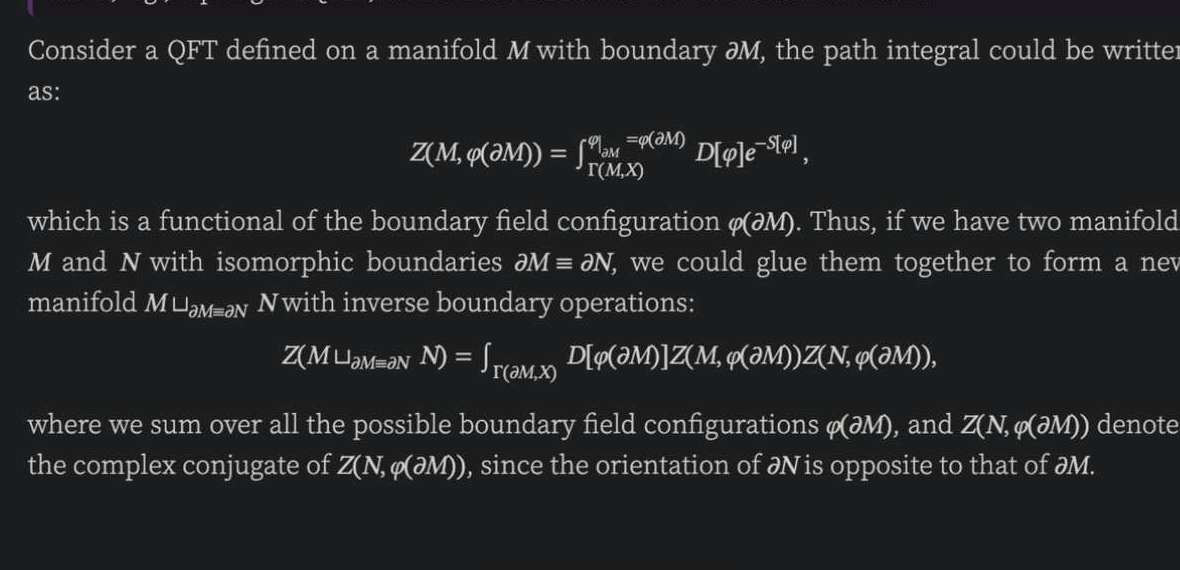
博客的全局样式为了普通正文做了很多设置,比如字体、行高、换行、图片大小和 overflow。 这些东西对段落、图片、代码块都合理,但继承到 mathmath 元素上就可能出事。 最后修复方向是 display MathML 不再使用 Libertinus MathLibertinus Math,改用浏览器默认 mathmath 或 STIX Two MathSTIX Two Math,正文仍然可以继续使用 Libertinus Serif。 另外还有一个次要问题:块级公式的外层不能把纵向 overflow 裁掉,否则高公式会出现滚动条或被截断。 所以 CSS 里给 MathML 单独加了几条规则:
.typst-native-math math {
.typst-native-math.typst-inline-math {
vertical-align: baseline;
.typst-native-math math {
.typst-native-math.typst-inline-math {
vertical-align: baseline;
.typst-native-math math {
.typst-native-math.typst-inline-math {
vertical-align: baseline;
.typst-native-math math {
.typst-native-math.typst-inline-math {
vertical-align: baseline;
这里主要是两点。 mathmath 内部不要吃正文的强制换行规则。 块级公式外层的 overflow-yoverflow-y 也不能裁掉。 有些公式高度就是会超过普通行高,裁掉之后看起来就像浏览器排坏了一样。
效果与取舍
迁移完成后,整体效果和 SVG 版本比较接近。 Safari 里看起来尤其好。 Chrome 里有些细节还是差一点,但已经在可接受范围内。 对我来说,MathML 最大的收益是公式回到了网页语义里。 复制、辅助技术、浏览器原生处理,都比“把公式当图片”更自然。
这次迁移最大的经验是:不要只盯着公式转换。 真正花时间的地方通常在边界上,比如 Astro 插件怎么处理失败、CSS 会不会继承到 MathML、浏览器会不会吃错字体。 把这些边界处理好之后,切到 MathML 其实没有想象中复杂。
Loading comments...
Please login with GitHub to post a comment.